Call us to get confirmations on appointments +91 81215 55055

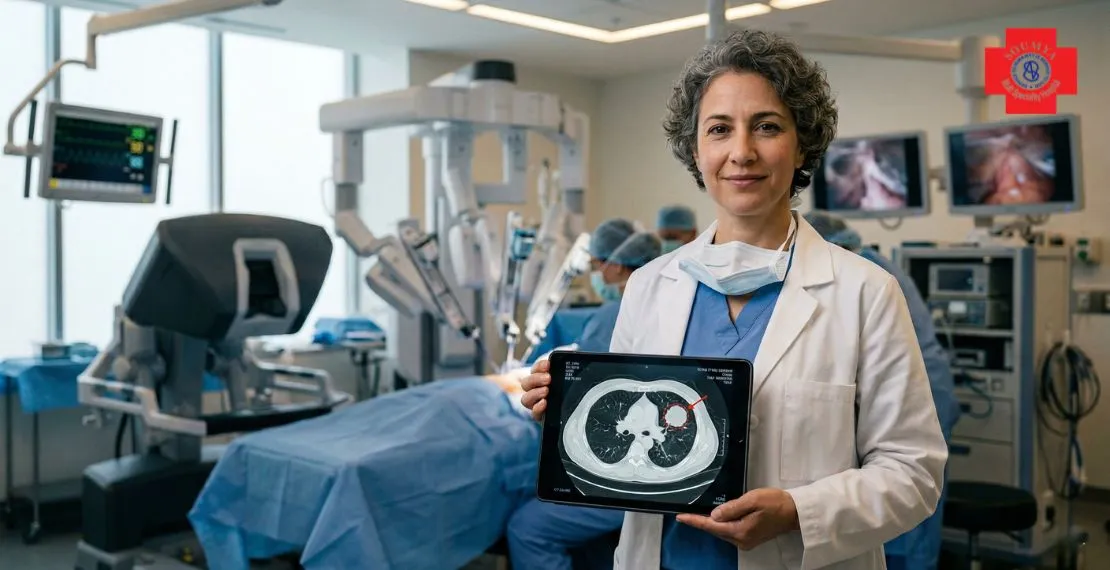
Surgical Oncology can be described as a distinct area of medicine that is focused on treating cancer using careful planning of cancer surgery. It is a crucial component in the modern treatment of cancer aiding doctors to diagnose the stage of cancer, as well as remove cancerous tumors with precise removal surgeries. It is a straightforward and powerful tool for cancer management for many people, particularly when cancer is diagnosed at an early stage.
The major query of many patients is whether surgery is always required for cancer management. The reply is based on the type of cancer. Some cancers are treated using chemotherapy or radiation, but in other cases, cancer treatment surgery is required for better outcomes. In some instances, surgery is also performed in combination with other treatments for better outcomes.
In cities like Hyderabad, it is observed that modern Surgical Oncology care is easily accessible, and modern technology and specialists are making procedures much safer and more precise.
This article aims to help you understand what exactly Surgical Oncology is, when it is required, the various forms of surgery that are performed, the benefits, risks involved, recovery period, and how to make decisions regarding the surgery for cancer treatment. This article also aims to address the queries that a patient may have regarding the surgery for cancer treatment, thereby removing any misconceptions that may exist in the minds of people regarding the same.
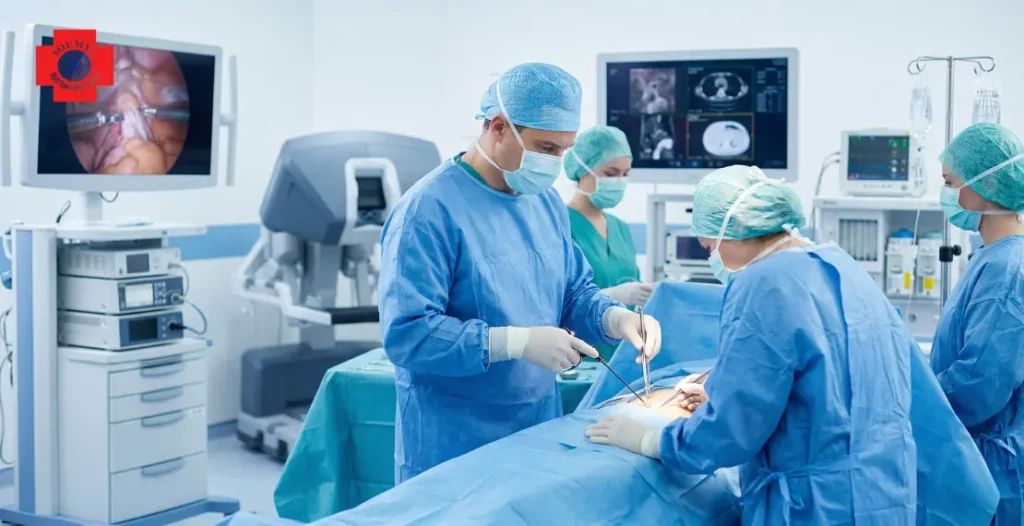
Surgical Oncology is a medical field which deals with the treatment and diagnosis of cancer using cancer surgery. It involves removal of cancer, tissues and even lymph nodes with an appropriately planned tumor removal surgery.
An oncologist who is a surgeon plays an important part in:
Diagnosis – confirming cancer through biopsy
Staging – understanding how far the cancer has spread
Treatment – removing tumors through cancer treatment surgery
Depending on the goal, Surgical Oncology procedures may include:
Diagnostic surgery – to confirm cancer
Curative surgery – to remove the tumor completely
Palliative surgery – to relieve symptoms
Preventive surgery – to reduce future cancer risk
In most cases, Surgical Oncology is part of a complete treatment plan. This plan may include chemotherapy and radiation. A skilled surgical oncologist ensures that every surgery for cancer is specifically designed to meet an individual patient’s unique needs. As a result, cancer treatment surgery is both successful and safe.
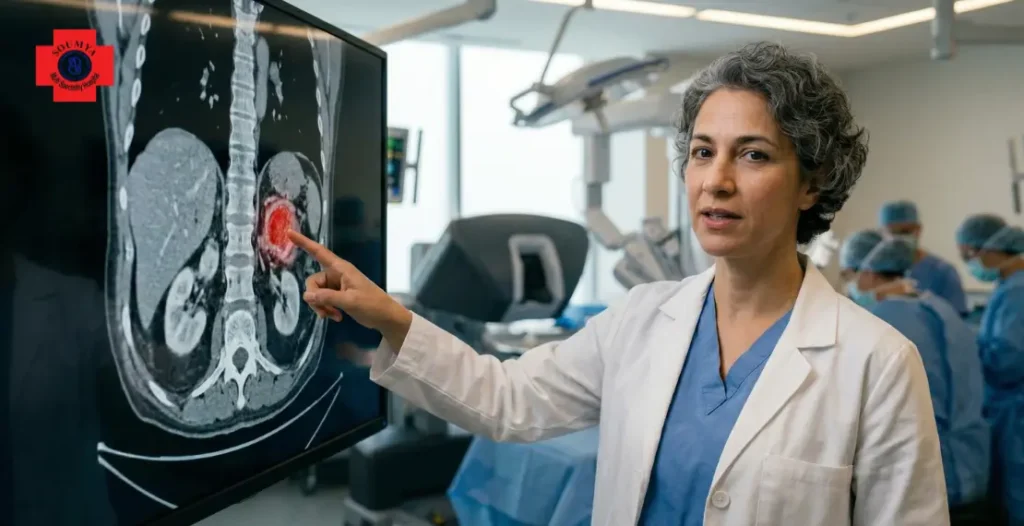
Surgical Oncology is required when there is a possibility of improving a patient’s health by performing cancer surgery. This possibility is based on various factors, including the type and location of the cancer.
In cases of early-stage cancer, surgery may be an effective treatment option, especially if the tumor is localized and can be safely removed. Even in advanced-stage cancer, surgery may be used,depending on the case. However, in some locally advanced cancers, surgery may not be feasible and other treatment approaches may be preferred.
Surgery is often combined with chemotherapy or radiation therapy. In such cases, it may be performed either before or after these treatments for better outcomes. The surgical oncologist evaluates each case carefully and determines whether surgical removal is the most appropriate course of action.
Surgical Oncology includes various types of cancer surgery. All the surgeries in Surgical Oncology are performed for different reasons. Different types of surgeries for cancer depend upon the stage, site, and nature of the tumor. Every surgery for cancer has been planned by the surgical oncologist in order to achieve maximum effectiveness and security.
Diagnostic Surgery in Oncology is done when the diagnosis of cancer cannot be achieved through less invasive techniques like a core biopsy or FNAC. Under this condition, the surgical oncologist removes the tissue of the tumor for confirmation of the diagnosis.
Curative cancer surgery is done with the objective of eliminating the tumor. Curative surgery in cancer can be recommended for early stages of cancers. During the procedure, nearby lymph nodes may also be removed to assess or reduce the spread of disease.
In cases where the complete removal of the tumor is not feasible, Surgical Oncology aims at reducing the size of the tumor. This procedure is called debulking. By removing the tumor to the maximum extent feasible, the surgery for cancer treatment aids the chemotherapy and radiation therapy processes. A skilled surgical oncologist plans the surgery for cancer treatment in a manner that minimizes the complications.
In palliative surgery for cancer treatment, the procedure aims to provide relief from symptoms rather than cure the disease. In Surgical Oncology for this kind of surgery, the focus is on providing the maximum relief for the patient. Although the tumor is not completely removed during the surgery for cancer treatment, the surgery aims at symptom relief.
In some cases where the tumor removal surgery has been successfully accomplished, the body may require reconstruction. This kind of Surgical Oncology aids the body by providing the maximum reconstruction possible. A skilled oncology surgeon plans the surgery for cancer treatment in a manner that maximizes the benefits for the body.
The type of procedure performed in Surgical Oncology depends on an individual’s needs and complications of their body. The degree of success that can be achieved can be maximized through the concomitant use of chemotherapy and/or radiation. The use of careful planning and imaging can result in the most efficient and effective surgical intervention for cancer treatment.
The precision and recovery time after the intervention is enhanced due to the continual improvement of techniques in cancer surgery. These methods are giving surgical oncologists an enhanced ability to remove cancerous tissues and thereby improve outcomes after Surgical Oncology.

Surgical Oncology is used for various types of cancers where the surgical process is employed to remove malignant tumors. This technique is based on the type, stage, and location of the particular cancer; and it is conducted by a surgical oncologist.
Breast Cancer
In breast cancer, surgical oncology techniques such as Lumpectomy, Mastectomy, Sentinel Lymph Node Biopsy, or ALND and reconstruction or oncoplasty are often employed.
Gynecological Cancers
The gynecological cancers are made include ovarian cancer, uterine cancer, cervical cancer,vulval and vaginal cancer. The treatment procedure is dependent on the condition and can range from staging laparotomy, radical hysterectomy, to cytoreductive surgery (CRS) with HIPEC in certain conditions.
Gastrointestinal Cancers
Cancers of the digestive tract include cancers of the stomach, liver, pancreas, and intestines. Treatment involves specific surgical procedures depending on the organ involved. For stomach cancer, a gastrectomy may be performed. In liver cancer, liver resection is used. For colon cancer, procedures such as colectomy or hemicolectomy are performed. In rectal cancer, surgeries like anterior resection, low anterior resection (LAR), or abdominoperineal resection (APR) may be required. These procedures are carefully planned to achieve effective tumor removal and better outcomes.
Head and Neck Cancers
The procedures performed for these cancers are complex. Reconstruction may involve plastic surgeons to preserve essential functions such as speech and swallowing.
Urological Cancers
The cancers of the prostate, kidney, and bladder are treated using cancer treatment surgery. The surgeon performs tumor removal surgery for better results.
Apart from these, Surgical Oncology is also performed for treating skin cancers, thyroid cancers, and soft tissue cancers. Early diagnosis plays an important role in improving surgical outcomes. In complicated cases, a combination of treatments is required for better results.
Surgical Oncology provides a variety of advantages in the treatment of cancer which makes it an essential element of modern cancer treatment. The primary benefit is the possibility of removing cancerous tumors from the body with surgical removal, especially in cancers that are early stage. This improves the likelihood of a successful treatment and a long-term recovery.
Another benefit is the accuracy of staging . After the operation the surgeon can determine the exact stage. This aids in planning the future treatment for cancer with greater precision and efficiency. This ensures that all patients receive the right treatment for their medical health.
Cancer surgery is an essential component in raising chances of survival. In case of early detection of cancer, a surgical operation can be the major factor in the curing process in combination with other treatments like chemotherapy and radiotherapy.
Development of modern medicine technologies provides more efficient and safe surgeries. Usage of minimally invasive techniques allows minimizing postop hospital stay and pain. All surgeries will be conducted by experienced surgeons to provide their efficiency and minimal invasiveness.
Like any other medical procedure, cancer surgery poses some inherent risks. The extent of these risks will depend on several factors such as the kind of surgery involved, the position of the tumor within the body, and the general physical condition of the individual. Individuals suffering from existing medical conditions like heart ailments, lung issues, or kidney disease can experience heightened risks during surgery. Certain operations will also carry additional risks, which will need intensive care.
In some instances, the risk may vary depending on the organ involved and the complexity of the procedure. For example, a cancer surgery on the lungs or digestive system has unique recovery problems. An expert carefully assesses the patient before recommending cancer surgery. This ensures that the patient has a beneficial experience.
With adequate care and follow-ups, most patients can expect to recover quickly after cancer surgery. Your communication with your surgical oncologist is very important in helping you manage expectations and remain safe. Patients should follow all directions given by their surgical oncologist, take medications as prescribed, and attend follow-up checkups on time. Reporting any unusual symptoms early will go a long way in facilitating faster recovery.
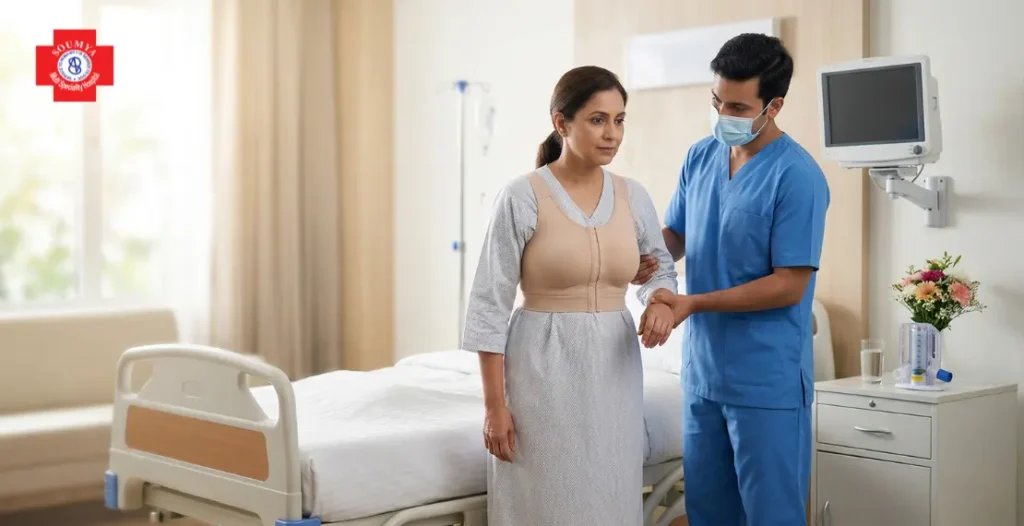
The recovery process following Surgical Oncology differs based on the kind and degree of the surgery for cancer performed. Certain patients might require a shorter hospital stay, whereas others who undergo major surgery to remove tumors might require longer recovery times. In general, hospital stays vary from a single day to a couple of days and complete recovery from cancer treatment surgery may be a long time, according to the overall health of the patient and the surgery performed.
Post-operative care is an essential aspect of Surgical Oncology. Patients should follow all directions given by their surgeon oncologist and follow the proper treatment of wounds as well as medications and limitations on activity. It is crucial to maintain a healthy diet for healing following the procedure, since a balanced diet aids in strengthening and aids in recovery. Rest is also essential as is moderate physical exercise. is frequently recommended to boost general well-being and circulation.
After tumor removal surgery, patients need other appointments that are equally important, to monitor recovery and to catch problems early, if they arise. Surgical oncologists are important for the recovery process for the cancer removal surgery. Reporting any strange phenomena to the doctor is vital, such as pain, swelling, and fever that do not disappear. There is also a potential healing improvement through family support or counseling, which helps patients get used to the treatment.
The right choice of a location to perform Surgical Oncology is crucial to positive outcomes. The level of care and the expertise of the surgeon and the availability of modern technology play a major impact on the efficacy of treatment.
An experienced surgeon oncologist can ensure that the removal of cancer occurs with precision and security. Teams of cancer specialists at hospitals offer a full range of cancer treatments with the assistance of highly experienced specialists from a variety of medical fields.
Technology advancement is a key aspect. Modern surgical procedures include robotic and minimally invasive procedures that help to reduce the time to recover, reduce complications, and increase precision of surgical procedures.
A multidisciplinary approach is another significant factor in cancer treatment. Top-class cancer treatment in leading hospitals includes surgical, chemotherapeutic, and radiological treatments, which are well coordinated with each other for a comprehensive treatment plan. Personalization of the treatment plan is also a significant factor in cancer treatment, as the medical conditions of different patients are carefully considered in order to provide the best possible treatment, which results in better patient experiences.
In Hyderabad, cancer treatment facilities have improved significantly, and people can now avail themselves of reliable cancer treatment services from nearby locations, including Soumya Multispeciality Hospital, a trusted center offering advanced oncology care.
The role of early diagnosis is critical for the success of cancer surgery. In most cases, early diagnosis of cancer makes surgery more effective and less complex. It is easier to eliminate cancer from the body when cancer is diagnosed at an early stage, which also supports faster recovery.
Early-stage cancer surgery involves fewer interventions, allowing the body to heal more efficiently. In the majority of cases, early surgery improves survival outcomes.
Early diagnosis of cancer can make surgery less complex, depending on the tumor site. Early diagnosis is associated with better outcomes, whereas late diagnosis is linked to poorer outcomes, and in some cases, surgery may not be possible.
Regular cancer screening is important for early detection, even in individuals without a family history. Screening helps identify cancer at an earlier stage, which can improve treatment options and outcomes. Therefore, general population screening plays an important role in preventive healthcare.
Smoking is a significant risk factor for many cancers and can delay diagnosis by masking symptoms or worsening disease progression. It can also affect recovery after cancer surgery. Avoiding or quitting smoking supports early detection, improves treatment outcomes, and reduces complications.
Surgical Oncology is an important part of cancer treatment, providing solutions for cancer treatment with well-planned cancer surgeries and surgical removal of cancer. This branch of medicine plays a significant role in diagnosing, staging, and treating cancer, thereby improving the quality of life for cancer patients. Advances in science and medicine have improved surgical techniques, making cancer surgery more precise, effective, and less invasive. As a highly skilled professional, a surgical oncologist is capable of designing a surgical plan that meets the needs of the patient.
Surgical oncology is not necessary for every type of cancer. The decision to perform surgery depends on the site of the tumor, its stage, and its biological type, along with the overall condition of the patient. Early detection can improve treatment outcomes in selected cases.
Surgical oncology is most effective when combined with regular cancer screenings, targeted interventions, patient awareness, and a targeted approach to the treatment of the cancer. Patients who present early for treatment may have less complex procedures and improved recovery outcomes.
Yes, the use of cancer surgery for diagnosis and treatment is specifically referred to as Surgical Oncology. This would include procedures for biopsy and tumor removal surgery, all done by a trained Surgical Oncologist for comprehensive cancer treatment surgery.
Cancer treatment surgery is done under anesthesia today, so the patient does not feel the pain during the surgery. Some discomfort may be felt during the recovery period, which can be managed by medication and proper care under the guidance of a Surgical Oncologist.
Recovery after cancer surgery can take a few days for minor procedures and may extend from a few weeks to months for major surgeries, depending on the type of surgery and the patient’s overall health.
No, not all cancers need Surgical Oncology for treatment. Some cancers may need non-surgical treatment. However, a majority of cases can benefit from cancer treatment surgery, especially for localized cancers.
Surgical Oncology can be safe when performed by an experienced surgical oncologist. However, the level of safety depends on factors such as the type of surgery, the complexity of the procedure, and the patient’s overall health. Patients with pre-existing conditions such as cardiac or lung disease may have higher risks, and certain complex procedures may also carry increased risk.
Surgery may not be recommended if cancer has spread extensively or if the patient is not fit for cancer treatment surgery. A surgical oncologist evaluates each case carefully before suggesting tumor removal surgery.