Ovarian cancer can be difficult to recognize in its early stages because its symptoms may look like common digestive or menstrual problems. Bloating, abdominal discomfort or changes in eating habits may have many possible causes.
Still, knowing the ovarian cancer symptoms can help women recognize changes that are unusual for them and seek medical advice when needed. Early evaluation is particularly important when symptoms are persistent or becoming worse.
Table of Contents
What Are the Early Signs of Ovarian Cancer?
The early signs of ovarian cancer are not always obvious. Some women may have few or no symptoms in the early stages.
Possible ovarian cancer signs include:
Persistent bloating or abdominal swelling
Pain or pressure in the pelvis
Abdominal or back pain
Feeling full quickly while eating
Difficulty eating
Frequent or urgent need to urinate
Constipation or other changes in bowel habits
A lump or swelling in the pelvic area
These symptoms can also be caused by conditions that are not cancer. The important thing is to pay attention when a symptom is unusual for you, continues for around two weeks or becomes more frequent.
Ovarian Cancer Symptoms in Women: What Should You Notice?
For example, occasional bloating is usually not a reason to assume cancer. However, persistent bloating along with pelvic pain, feeling full quickly or changes in bathroom habits deserves medical attention.
Unusual vaginal bleeding, especially after menopause, should also be discussed with a doctor. These symptoms do not confirm ovarian cancer, but medical evaluation can help identify their actual cause.
What Causes Ovarian Cancer?
The exact ovarian cancer causes are not always clear. Cancer develops when cells grow and divide abnormally, eventually forming a tumour.
Several ovarian cancer risk factors have been identified. These include:
Increasing age
Family history of ovarian cancer
Certain inherited genetic changes, including BRCA1 and BRCA2
Lynch syndrome
Endometriosis
Some types of postmenopausal hormone therapy
Obesity
Having a risk factor does not mean that a woman will definitely develop ovarian cancer. Similarly, ovarian cancer can occur in women without known risk factors.
Who Is at Higher Risk of Ovarian Cancer?
A family history can be important when assessing ovarian cancer risk factors. Women whose mother, sister or daughter has had ovarian cancer may have a higher risk.
Inherited genetic changes, particularly certain BRCA1 or BRCA2 variants, can also increase risk. Women with a strong family history or known inherited risk may benefit from discussing genetic counselling and appropriate risk assessment with a healthcare professional.
This does not mean that every woman with a family history will develop cancer. Risk assessment should be based on the individual’s medical and family history.
How Is Ovarian Cancer Diagnosed?
Ovarian cancer diagnosis usually begins with a discussion about symptoms and medical history, followed by an examination.
Depending on the situation, a doctor may recommend tests such as:
Pelvic examination
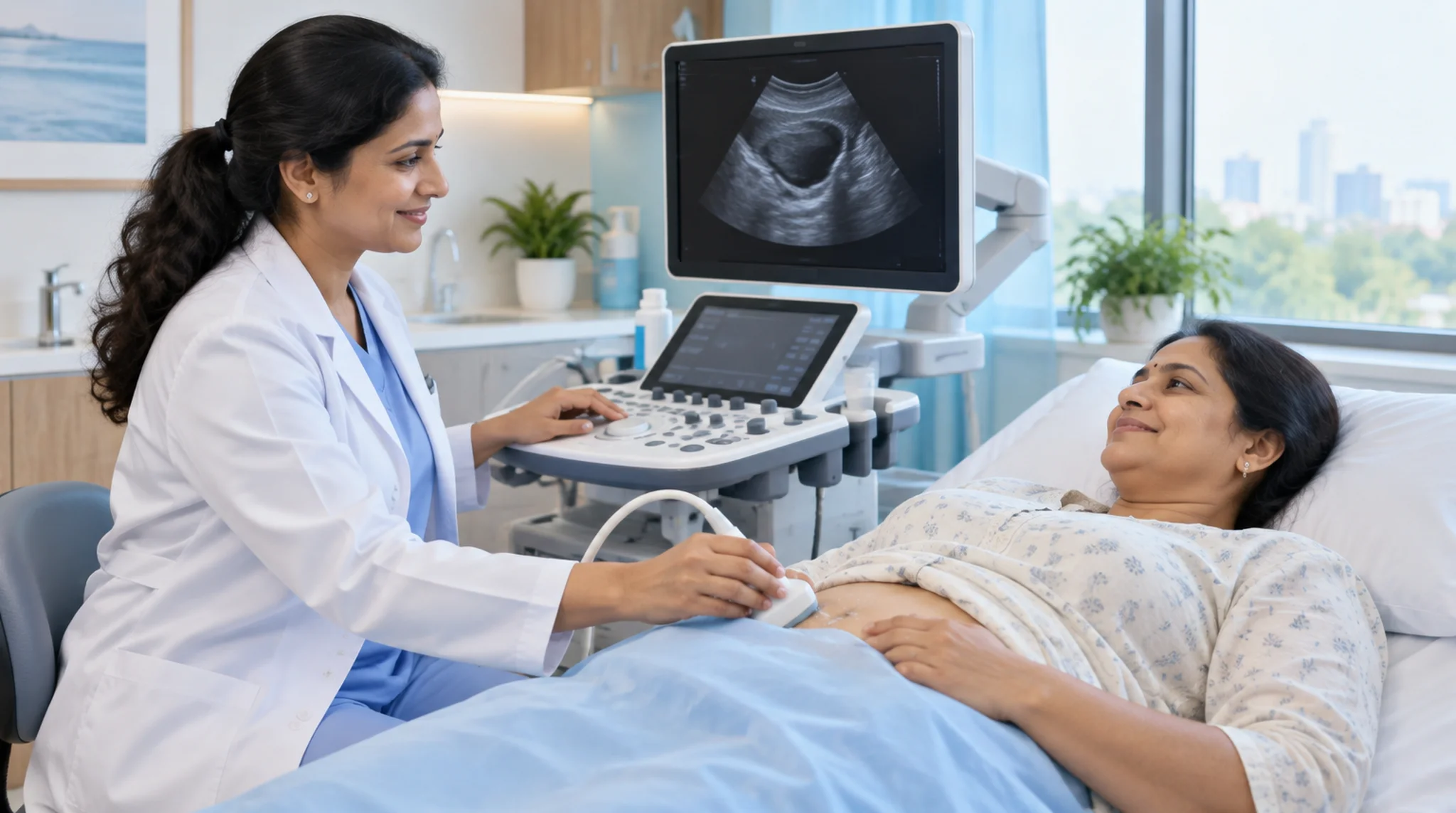
Ultrasound, including transvaginal ultrasound
Blood tests such as CA-125 in selected situations
CT or MRI scans
Biopsy or examination of tissue when required
There is currently no reliable routine screening test for ovarian cancer in women who have no symptoms. Diagnostic tests are different from screening tests and are used when symptoms or other concerns need investigation.
Can Ovarian Cancer Be Detected Early?
Ovarian cancer screening is different from cervical cancer screening. There is currently no reliable screening test recommended for women without symptoms who are at average risk.
This is one reason why knowing the symptoms and discussing persistent changes with a doctor is important. Women with certain risk factors may need a more individualized approach based on their medical and family history.
If you notice persistent bloating, pelvic pain, unusual bleeding or changes in eating or bathroom habits, do not try to diagnose the cause yourself. A medical evaluation can help determine what is actually causing the symptoms.
What Is Ovarian Cancer Treatment?
Ovarian cancer treatment depends on the type and stage of cancer, the location of the disease and the patient’s overall health.
Treatment may involve surgery, chemotherapy or a combination of treatments. In selected cases, targeted therapies or other systemic treatments may also be considered.
Soumya Multi Speciality Hospital provides gynaecological oncology care for cancers involving the ovaries, uterus and cervix. Its oncology services include surgical and medical cancer care, supported by pathology and radiology services.
Conclusion
Knowing the ovarian cancer symptoms can help women pay attention to changes in their bodies without immediately assuming the worst. Bloating, abdominal pain, pelvic discomfort and changes in eating or bathroom habits can have many causes, but persistent or unusual symptoms should be medically evaluated.
Understanding ovarian cancer risk factors, seeking timely ovarian cancer diagnosis when symptoms are concerning, and discussing individual risks with a healthcare professional can help guide appropriate care.
At Soumya Multi Speciality Hospital, the oncology team provides care for gynaecological cancers, including ovarian, uterine and cervical cancers, with support from surgical oncology, medical oncology, pathology and radiology services.
Experiencing Persistent Bloating or Pelvic Pain?
Symptoms that feel unusual or keep coming back deserve a closer look. Consult our specialists to understand what may be causing them and which tests may help.
Possible signs include persistent bloating, abdominal or pelvic pain, feeling full quickly, changes in bowel habits and frequent or urgent urination. Some women may have no noticeable symptoms in the early stages.
Common symptoms may include abdominal swelling, pelvic pressure or pain, bloating, difficulty eating, feeling full quickly and changes in urination or bowel habits.
There is no single known cause. Age, family history, inherited genetic changes, endometriosis and some other factors can increase the risk of developing ovarian cancer.
Women with a family history of ovarian cancer or certain inherited genetic changes, such as BRCA1 or BRCA2 variants, may have a higher risk. Other factors can also contribute.
Early detection can be difficult because ovarian cancer may cause few noticeable symptoms initially. There is currently no reliable routine screening test for ovarian cancer in women without symptoms.