Call us to get confirmations on appointments +91 81215 55055

A hysterectomy isn’t just a medical procedure; it can bring both physical and emotional changes. For many women, it marks the beginning of a period of adjustment, healing, and sometimes vulnerability. During this time, understanding how to support your partner after a hysterectomy is important, as a husband’s role can influence the recovery process.
As a husband, you may feel uncertain about how to help. You might wonder what she needs, how to support her recovery, and how her daily life may change. These are all valid concerns. In reality, your presence matters more than doing everything perfectly. Whether it’s helping with daily tasks, offering emotional support, or simply being there when she needs comfort, your actions can support her recovery journey.
Recovery is not only about physical healing but also emotional well-being and confidence. Understanding post-hysterectomy care and being aware of emotional changes can make a meaningful difference.
This guide on advice for husbands after hysterectomy will help you understand how to provide meaningful support, navigate life after surgery, and ensure appropriate care during recovery.
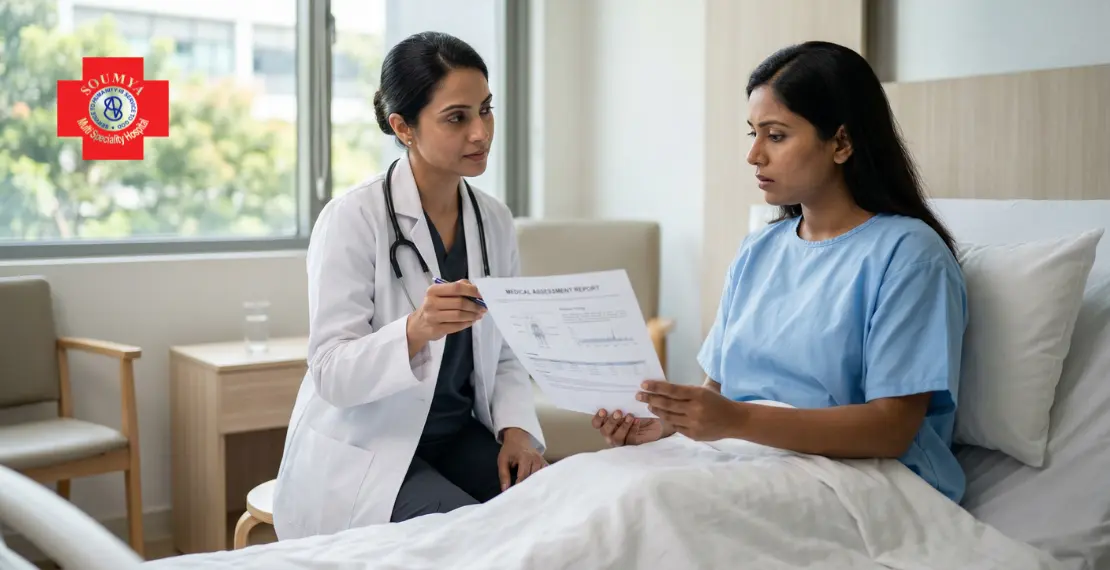
A hysterectomy is a surgery where the uterus is removed. This process is done for many reasons including fibroids, heavy bleeding,cancer etc. While surgery is a medical procedure, recovery is a process that includes both physical and emotional elements.
Hysterectomy can be performed using different surgical approaches depending on the patient’s condition and clinical evaluation. These include open (abdominal), laparoscopic, and vaginal hysterectomy. The choice of approach depends on factors such as overall health, the size and position of the uterus, and the underlying condition.
The recovery timeline can be understood in two phases. The initial recovery phase may take around 2–4 weeks. Complete recovery may take approximately 6–8 weeks.
During this time, fatigue and emotional changes are common, and adjusting to life after surgery may take time.
Emotional support from a partner, along with proper post-surgical care, is important during recovery. Partner support can help make recovery smoother and more comfortable.
Support from a husband is not just helpful, it’s essential.
Deepens emotional intimacy
Emotional support is crucial for a woman’s recovery. By following some advice for husbands after hysterectomy, she can feel safe, understood, and cared for. Post-op support largely deals with emotional reassurance and psychological stability, and not just physical support.
Even your simple presence can be comforting. Just sitting next to her, periodically checking in to see how she is, and offering to do things for her can make her not feel alone. She may go quiet for periods of time and not ask for things, which amplifies the importance of your zealous support.
You can be a soothing influence on the emotional and psychological roller coaster she will go through after a hysterectomy. These will be some of the things that will help you improve. Your presence alone, and especially your emotional presence will be just as important as medication, and it will be a positive account of your personal support.
Listening to your partner is probably one of the most important things. Taking time to prepare their favorite meal or just spending time together would likely ease some of the emotional burden that comes with the recovery process. Every little thing counts in the recovery process.

For husbands, emotional care is among the top of the list of advice for husbands after hysterectomy.
Emotions can change quickly and that is quite normal. When your partner is positioned to feel discomfort or is likely going to experience some emotional feedback, it is important to provide emotional support.
What she needs:
Providing consistent recovery support after hysterectomy helps her feel emotionally secure. In addition, small gestures like checking in on her feelings, offering encouragement, and being physically present can make a significant difference. Emotional care is also an important part of post-surgery care, as it helps reduce stress and supports overall healing during recovery. This is an important aspect of advice for husbands after hysterectomy.
Sometimes, emotions are not expressed openly. Even if she seems strong on the outside, she may be processing a lot internally. Understanding this is an important part of advice for husbands after hysterectomy.
She may feel:
Your job isn’t to make everything better, it’s to be present. Having some emotional support through the surgery is going to help her bounce back and rebuild that confidence.
In this stage you may feel at a loss for words due to the abrupt shifts in her life and body. There could be a moment of frustration, silence or even withdrawal which is completely normal. The most important thing is your presence, and your reassurance.
Simple gestures such as taking her hands, keeping an eye on her feelings or simply sitting next to her can bring a sense of comfort. This kind of emotional bond plays an important role in the recovery process for hysterectomy and makes one feel at ease throughout post-hysterectomy treatment.
With patience, time, and a sense of understanding, emotional states are easier to manage, and your support can help her regain confidence during recovery.
Hormonal changes are also quite common post-surgery. These changes may impact her energy levels as well as her mental stability. Therefore, proper advice for husbands after hysterectomy will enable you to understand these changes better.
You may notice:
These changes are quite natural. Providing proper recovery and emotional support can help her get through this phase. Understanding life after hysterectomy will also help you become more patient and supportive.
At times, she may behave in a peculiar manner without any specific reason. In such cases, it is important that you do not take it personally. Instead, respond with calmness and sensitivity towards her feelings.
It is also important that you allow her to talk to you and at the same time respect her space as well. This will also be an important aspect of hysterectomy post-surgery care. As her body gets accustomed to the changes, these hormonal changes will also stabilize. This will enable you to provide her with proper support and also strengthen your bond of trust with her.

Physical care is a key part of post hysterectomy care. During this time, the body of your partner needs time, rest, and the right kind of support to heal adequately. It is not surprising that even small day-to-day activities become tiring; hence, the need for your support is crucial during this time, as long as you get the right advice for husbands after hysterectomy.
How you can help:
Hysterectomy recovery support not only eases the body of your partner but also ensures that the body heals adequately and faster. Your attitude also plays a critical role in ensuring adequate support to your partner during this time. Offering to help without being asked to do so and noticing when your partner is tired and stepping in to assist can go a long way in making her feel loved and cared for without subjecting her to undue pressure and stress, as is usually the case when giving advice for husbands after hysterectomy.
A quiet and calm environment is also beneficial for healing. Arranging a quiet and comfortable space at home can greatly influence your partner’s healing process. Proper advice for husbands after hysterectomy surgery is essential to create a conducive space at home.
Post hysterectomy care at home is equally important as hospital-based care. Making a few changes at home, such as arranging a comfortable space, maintaining cleanliness, and ensuring proper ventilation, can greatly influence your partner’s comfort. A conducive environment also supports effective recovery. It helps your partner feel comfortable and at ease during the healing process after hysterectomy surgery. Proper advice for husbands after hysterectomy is helpful in creating a supportive space at home.

The intimacy (both physical and emotional) is a part of the post-hysterectomy life yet it takes time to comprehend, mutual understanding and security. The rehabilitation process is not only physical, it is also emotional adjustment, and may have effects on how your spouse is feeling towards intimacy. Getting the right advice for husbands after hysterectomy could help you navigate this stage with tenderness and understanding.
Emotional support is critical, as many partners may feel apprehensive, or anxious. This is completely ok, and what’s most important here is to help her feel safe to do so.
Start with nonsexual forms of contact, such as holding hands or any kind of physical touch. Intimacy after the surgery and closeness comes with time and is critical for recovery.
During this recovery phase, emotional and physical intimacy can develop. Supporting your partner for life after a hysterectomy ensures that intimacy can continue to develop as life goes on.
Knowing what to do well, and what you should not do poorly can mean a lot in your partner’s recovery process. Small, mindful actions can lend both physical healing and emotional comfort through this stage.
Offer emotional support after surgery
Be in the moment, listen with care and reassure your partner during dark times. When you are there for a person, no one has to go into detox or withdrawal alone (negative aspects) so they already have much less anxiety before their body is out of balance and before they can begin the rebuilding process, all which strengthen confidence in their recovery.
Provide consistent hysterectomy recovery support
Assist with activities of daily living, medication management and follow-up appointments. Even small and consistent efforts count for a lot in healing.
Encourage healthy habits
Encourage adequate nutrition, hydration and sleep. A proper balance will help with post hysterectomy care and overall recovery.
Be patient and understanding
Recovery can be slow, and people recover in different ways. Give her the space and time she needs without pressure.
Don’t rush recovery
Avoid expecting quick results. Healing is gradual, and pushing too hard can delay progress.
Avoid any form of pressure
Whether emotional or physical, pressure can increase stress and discomfort during life after hysterectomy.
Don’t ignore emotional needs
Emotional well-being is just as important as physical recovery. Stay attentive and supportive.
Following the right advice for husbands after hysterectomy ensures a smoother, more comfortable recovery while strengthening your relationship.
Couples may face:
Some challenges couples may face include:
Such changes partners face together in recovery are NOT permanent. Such changes are part of the process of recovery and are natural occurrences in the adjustments the partner will make after going through a hysterectomy. This is one piece of advice for husbands after hysterectomy, which helps partners fluidly.
Ways to cope
Communication:
Open and honest conversations about each partner’s feelings, work best after hysterectomy recovery to live with closed emotional gaps.
Understanding:
Recovery takes time and in the emotional gaps left by providing space, will make the process go faster and keep the absent gaps.
Patience:
This is one of the most important pieces of advice for husbands after hysterectomy type of communication, as it is primarily emotional stress.
Support:
Providing guaranteed hysterectomy recovery and emotional support after surgery gaps builds more trust and comfort.
Most important in this part of the life phase is to have a more significant level of emotional cover. This cover will truly increase the relationship gained, and will best be achieved by the activities that cover a significant part of time. This could be as simple as sitting together to watch a movie. Doing life together again will help you reconnect.
After the procedure of hysterectomy, life can go back to normal and can even improve the relationship. Patience and understanding will be key in caring for your wife after the surgery. Caring for your wife as instructed to husbands after hysterectomy will improve the relationship as you go through this period together.
It is essential to find a hospital that is best for your needs before you undergo the procedure of hysterectomy. This is because the right equipment and staff will make your experience easier and enjoyable; this is also essential when giving care to your wife as she heals from her procedure.
It is best to choose a hospital that is equipped with numerous qualified and experienced gynecologists and other health-professionals because their knowledge and skills directly impact the safety and positive outcomes of the provided medical care. This is essential for the long-term health of the patient and to ensure that all the right decisions are made for an optimal recovery.
Better surgical results and fewer complications from surgeries are associated with proper diagnosis and advanced imaging support like Radiology, along with adherence to surgical safety protocols and modern techniques.
Your recovery after a hysterectomy will be better if postoperative care after the hysterectomy is performed at a hospital with follow up care, postoperative monitoring, and guidance.
A hospital where patients are listened to, cared for, communicated too with time, and are patronized at the hospital will better emotionally support the patients after surgery, which is very important during the time of recovery.
The right hospital choice will result in better care and will lead to shorter healing time and more comfortable recovery. You can also explore the Top 5 Cancer Hospitals in Hyderabad to ensure advanced treatment options and expert care.
Recovery after hysterectomy involves both physical and emotional changes. Every phase requires care, patience, understanding, and compassion. The right guidance for husbands following this surgery helps ensure that your partner feels reassured and valued throughout her recovery. Your presence during this time can make a meaningful difference.
Your compassion, patience, and willingness to understand what she is going through can help make this transition easier and more comfortable. Even small actions, such as being attentive, listening, and helping with daily tasks, can reduce stress and support her in gradually regaining confidence and emotional balance.
Providing consistent support and emotional care after surgery, along with ensuring proper treatment, can help improve recovery outcomes. It can also strengthen your emotional bond and help both of you navigate this phase with confidence and ease.
It is important to remember that recovery is not a race but a gradual process. There will be better days and slower ones, both of which are normal. Staying calm, supportive, and attentive can help create a sense of stability and reassurance. Your encouragement can help her feel more secure as she recovers—this is an important part of advice for husbands after hysterectomy.
A husband can support his wife by following the right advice for husbands after hysterectomy, being present for her both physically and emotionally. Helping with small daily tasks, listening when she wants to talk, and simply checking in on how she feels can make a meaningful difference. This kind of support helps her feel safe and less alone during recovery and adjustment.
Recovery usually takes around 6–8 weeks, but it’s not the same for everyone. Some days will be easier, some slower. With proper hysterectomy recovery support and post hysterectomy care, she can gradually adjust to life after hysterectomy at her own pace.
Intimacy can usually resume after doctor approval. But more than timing, it’s about comfort. Emotional support after surgery and open conversations help rebuild closeness naturally during life after hysterectomy.
Yes, completely normal. Hormonal changes can affect emotions, and some days might feel heavier than others. Emotional support after surgery and gentle understanding help her feel more stable during hysterectomy recovery support.
Avoid rushing her healing, dismissing her feelings, or putting pressure, emotionally or physically. Good post hysterectomy care is about patience, understanding, and allowing her to adjust to life after hysterectomy without stress.
Absolutely! Emotional support can be as a primary source of support as a husband for a wife having a hysterectomy, and that means being emotional, supportive, and reassuring, because emotional support post surgery is crucial to both healing and strengthening your bond.